The Taste of Coming Home: From Mom’s Kitchen [Chingu | Korean Cuisine]


A 5-minute walk from Fuse Station. A slightly exotic gateway where neon lights and flags welcome you. “Chingu,” a Korean restaurant run by a owner from Busan, isn’t flashy or trendy, yet somehow it offers flavors your body remembers—the sound of the cast-iron pot, the aroma of jeon, and the small plates of side dishes.
It’s the kind of place where even someone who just happens to drop by finds themselves saying, “I’m home.” Before we knew it, 15 years had passed. The neighborhood has been coming to life, little by little, along with the flavors and laughter of this restaurant.
| Address | 1-19-6 Ashidai, Higashiosaka City, Osaka PrefectureGoogleMap |
|---|---|
| Phone number | 06-6729-1187 |
| Business Hours | 10:00 a.m.–10:00 p.m. |
| Closed Days | None |
The Night a Korean Alley Came to Fuse
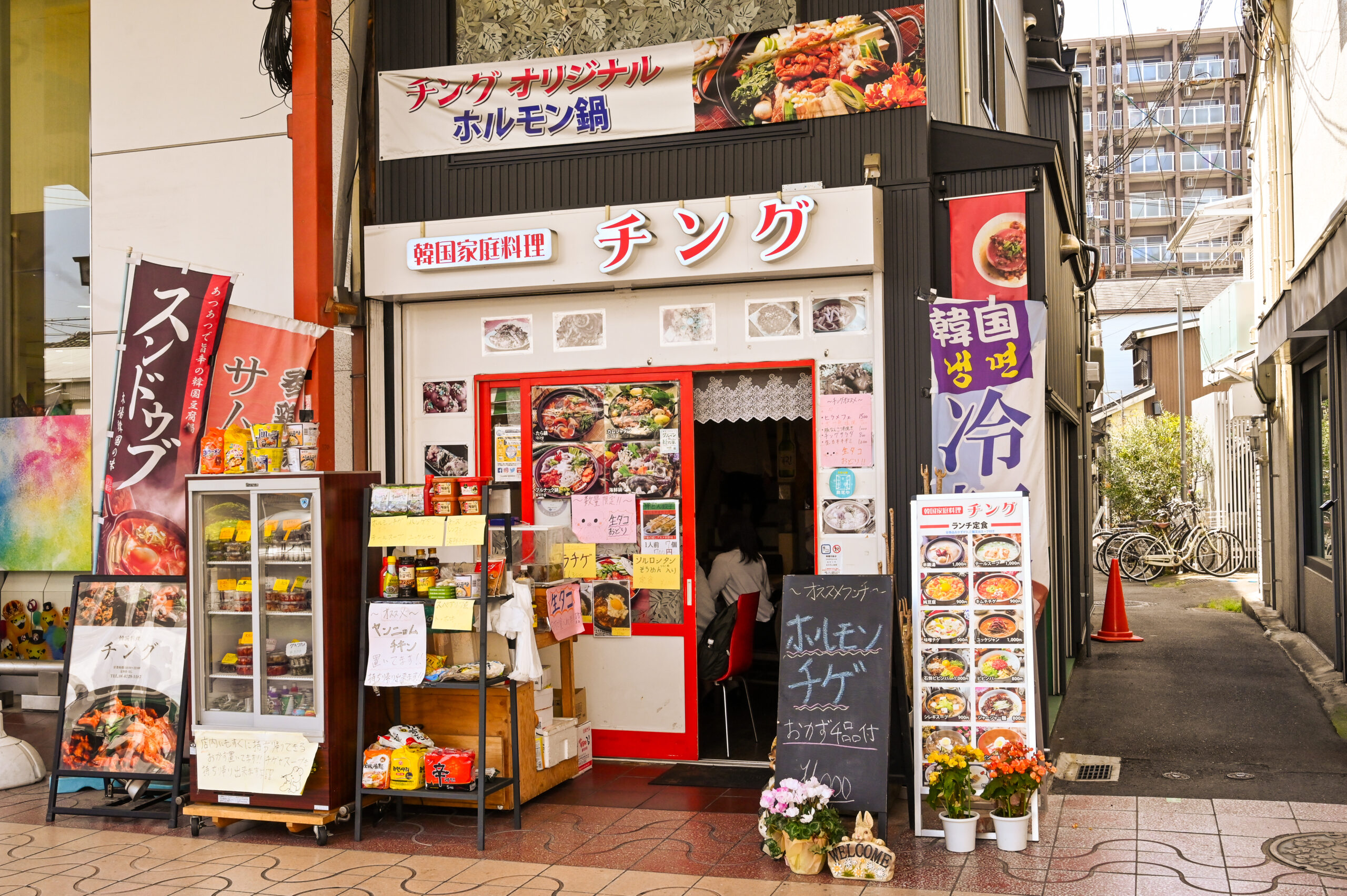
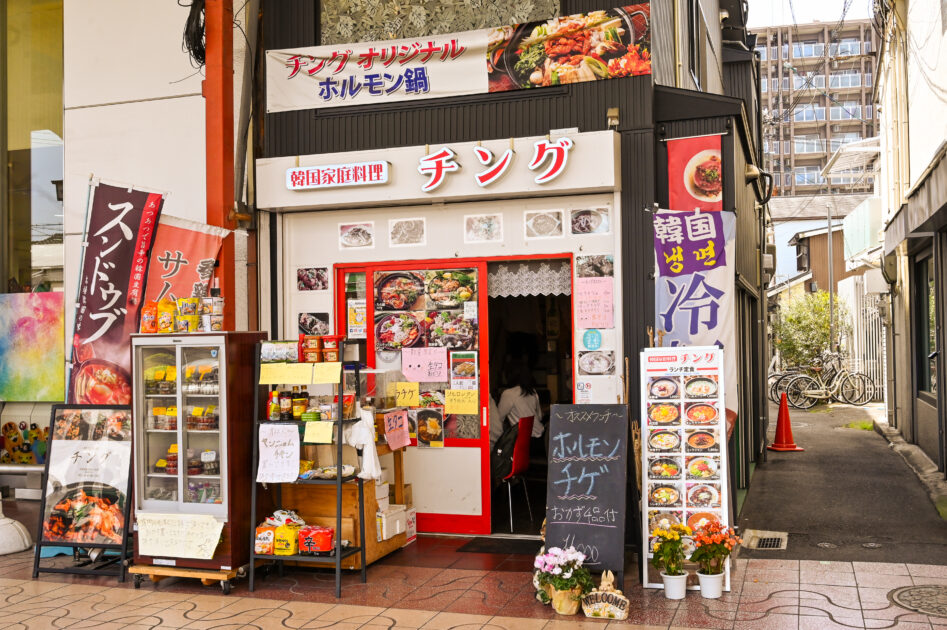
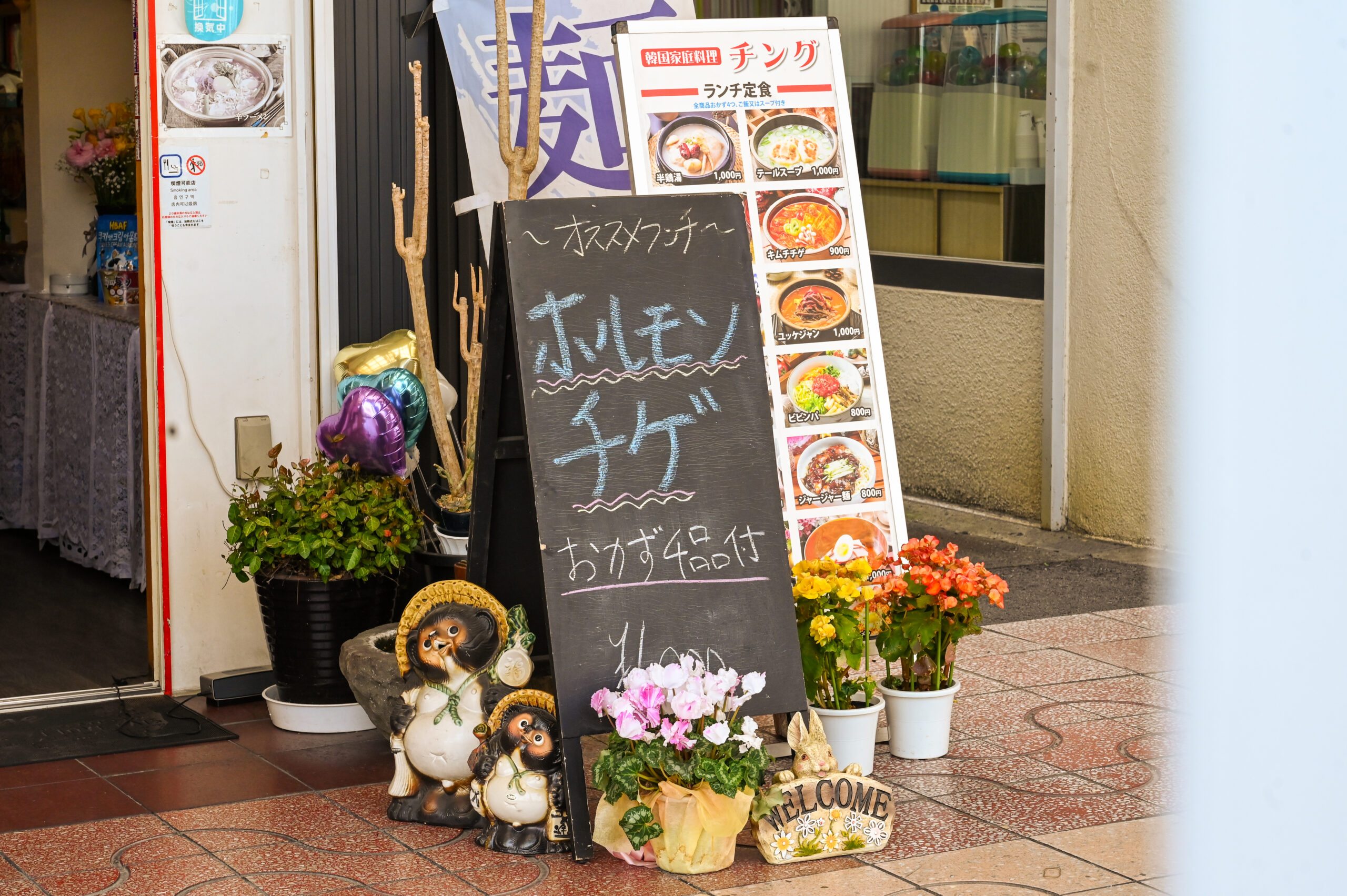
Stepping out of the ticket gates at Fuse Station and passing through the hustle and bustle of the arcade, red neon lights suddenly catch my eye. A sign reading “Ching,” with a handwritten chalkboard menu beneath it. And colorful flags bearing the names of the menu items flutter in the breeze.It feels as if I’ve stumbled into a back alley in Busan.
It’s been six years since she came to this city. Nine years in Tsuruhashi, and 20 years in Korea before that. With over 35 years dedicated to cooking, Mama Kim Mi-ran is the “pillar” of this restaurant.
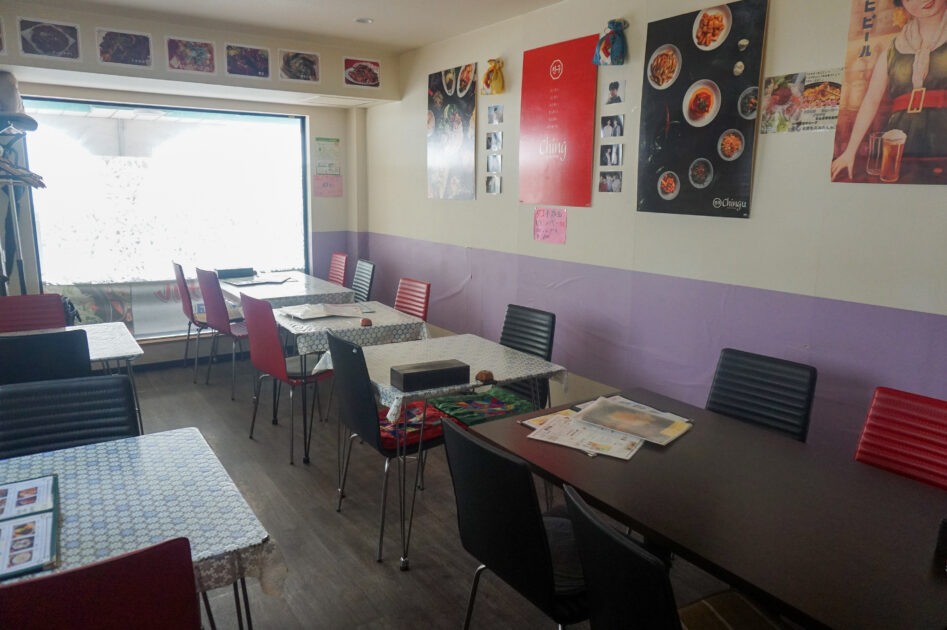
At first glance, the exterior looks flashy. But once you step inside, you’re greeted by a warm, nostalgic atmosphere. Today, as always, Mama never stops working in front of her cast-iron pot.
The luxury of choosing your dinner from a wall full of photos
“They’re all delicious,” Mama says with a laugh as she ties her apron in the back of the kitchen.
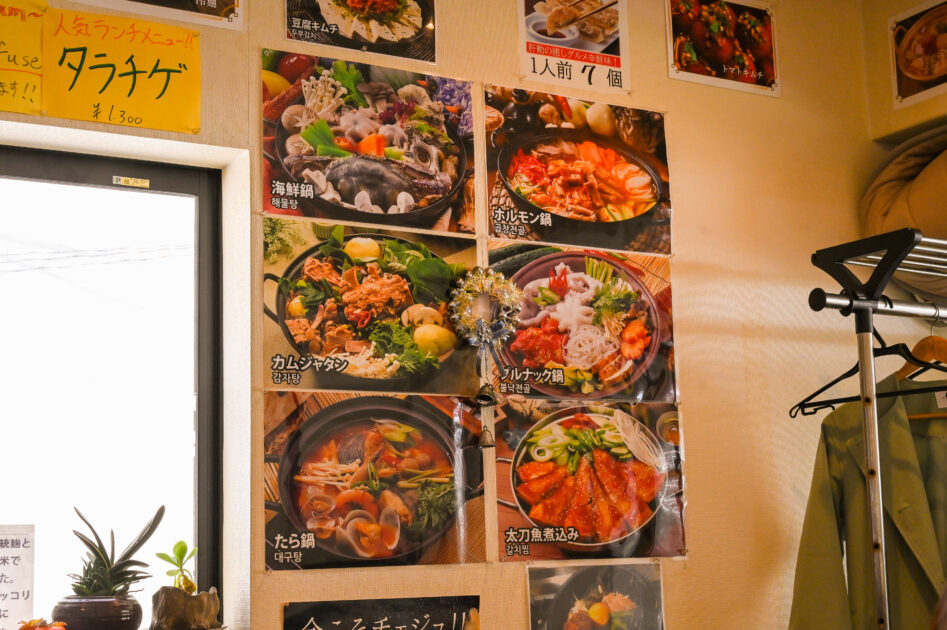
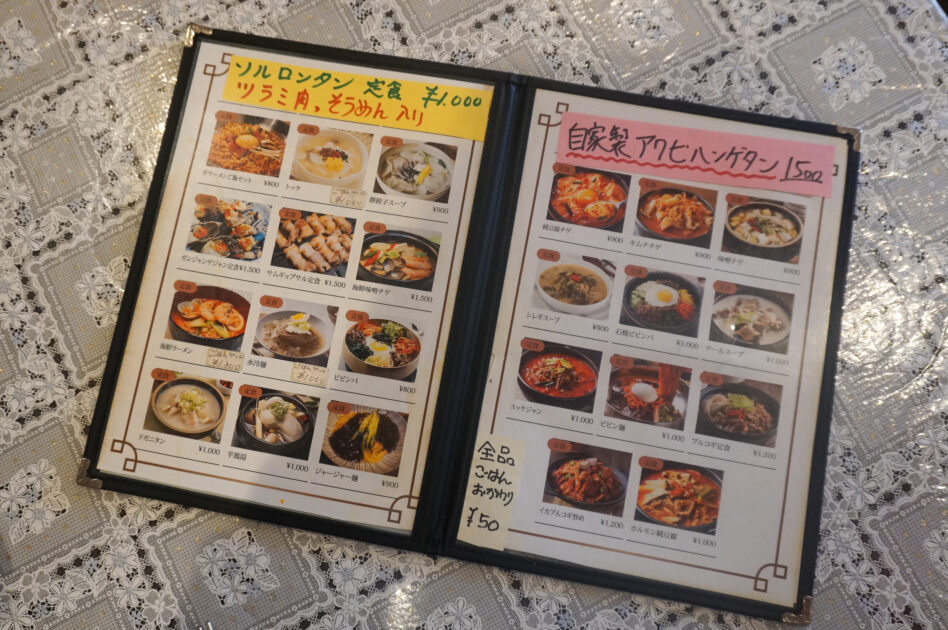
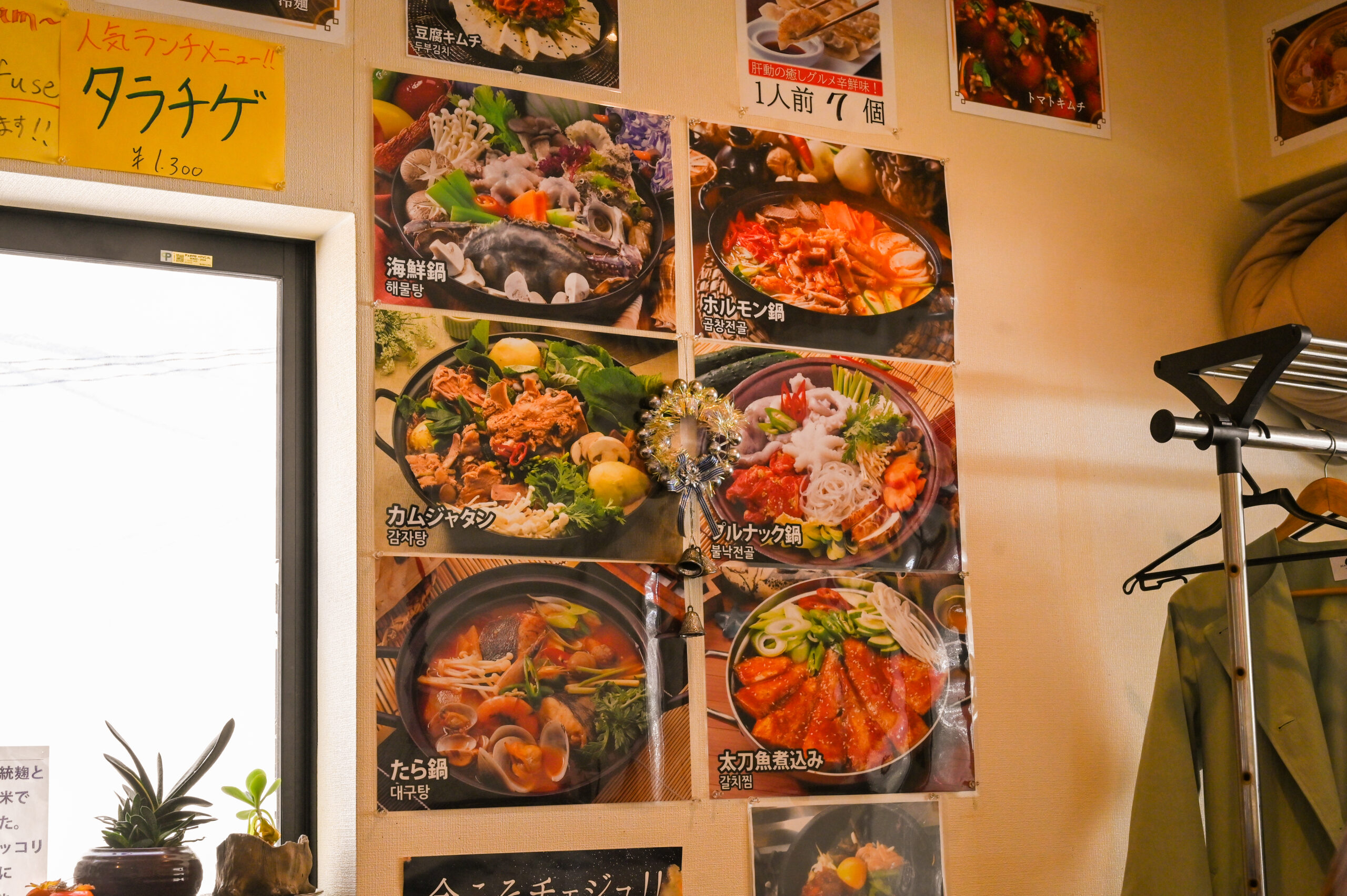
The restaurant walls are lined with photos of dishes. Each one looks so delicious it could be the star of the show—which actually makes it hard to decide.
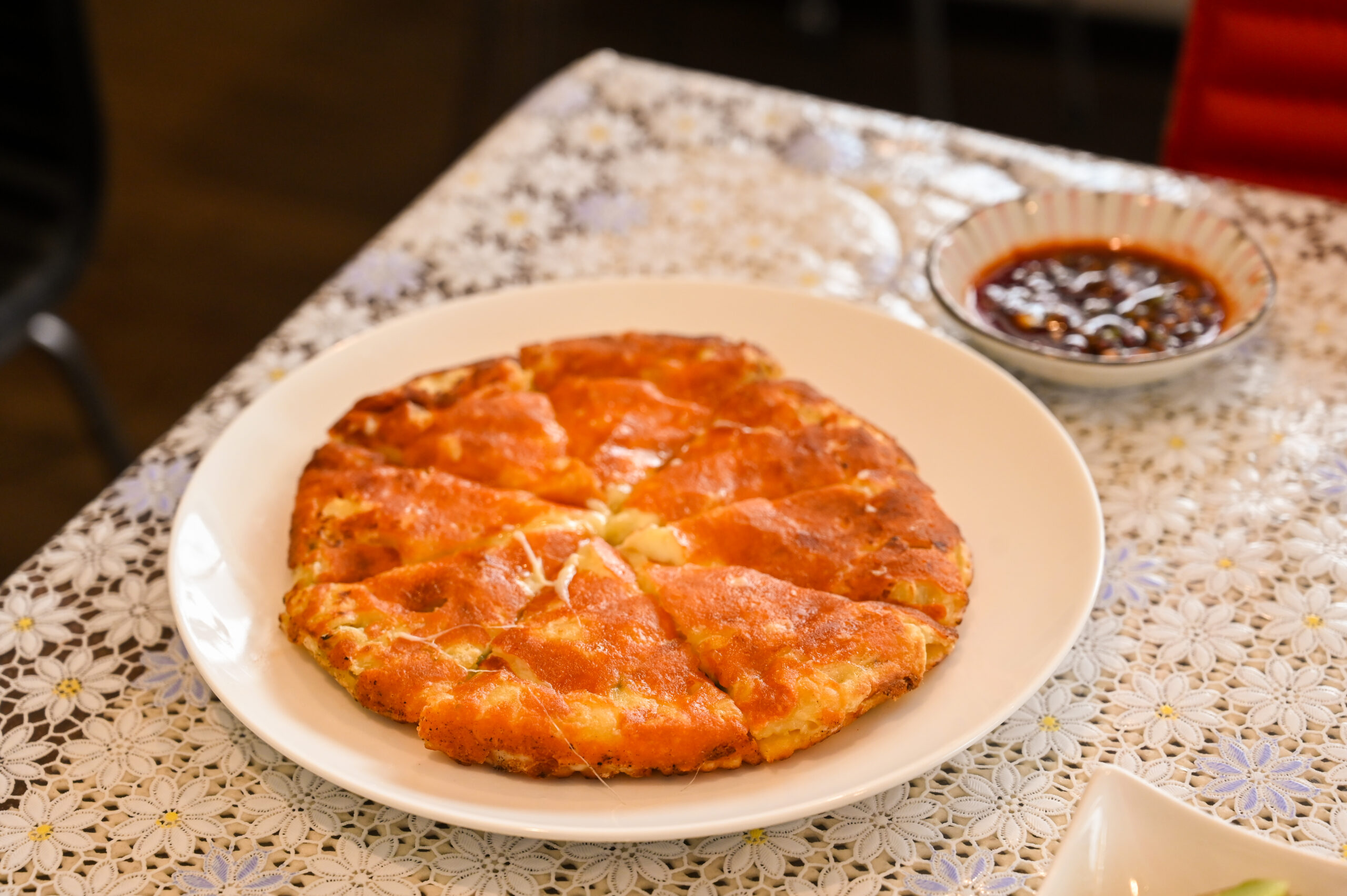
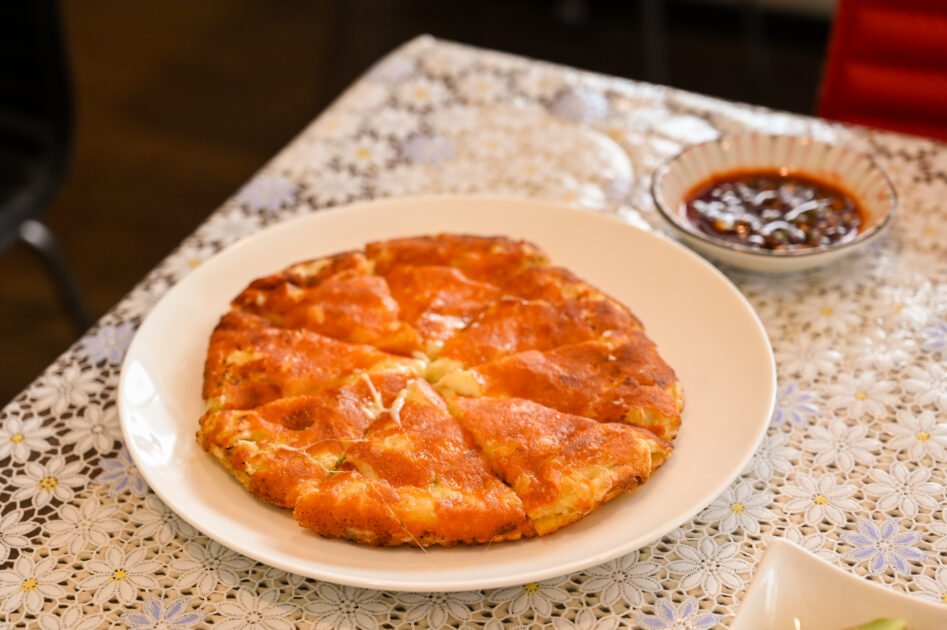
The classics—seafood and cheese—along with seasonal favorites like lotus root and octopus, and the slightly unexpected tomato and cheese. It’s a curious lineup when you line them up, but the interesting thing is that once they’re made into chijimi, they all perfectly capture “Mom’s taste.”
These five varieties change with the seasons and my mood, and even the time spent wondering which one to choose today is already a treat in itself.

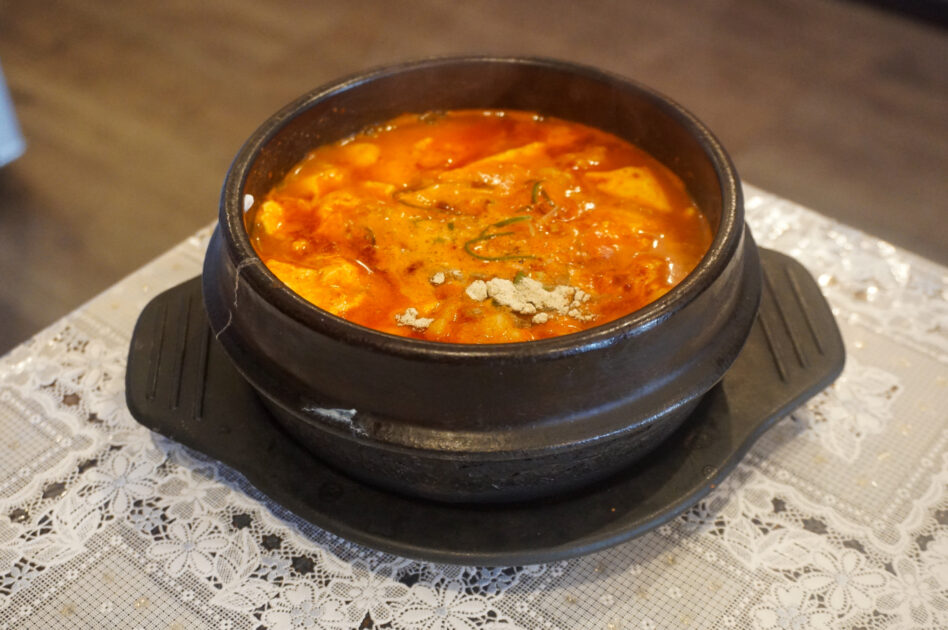
There’s also a wide selection of hot pot dishes, including jjigae, oxtail soup, and samgyetang—a lineup of dishes that warm you right to the core.
Then, one summer day, “Sannakchi” (live octopus) arrives at the table.
Though I flinch for a moment at the sight of its thin, wriggling legs, one bite reveals a crunchy texture perfectly balanced by the nutty aroma of sesame oil and the spicy kick of chili peppers.
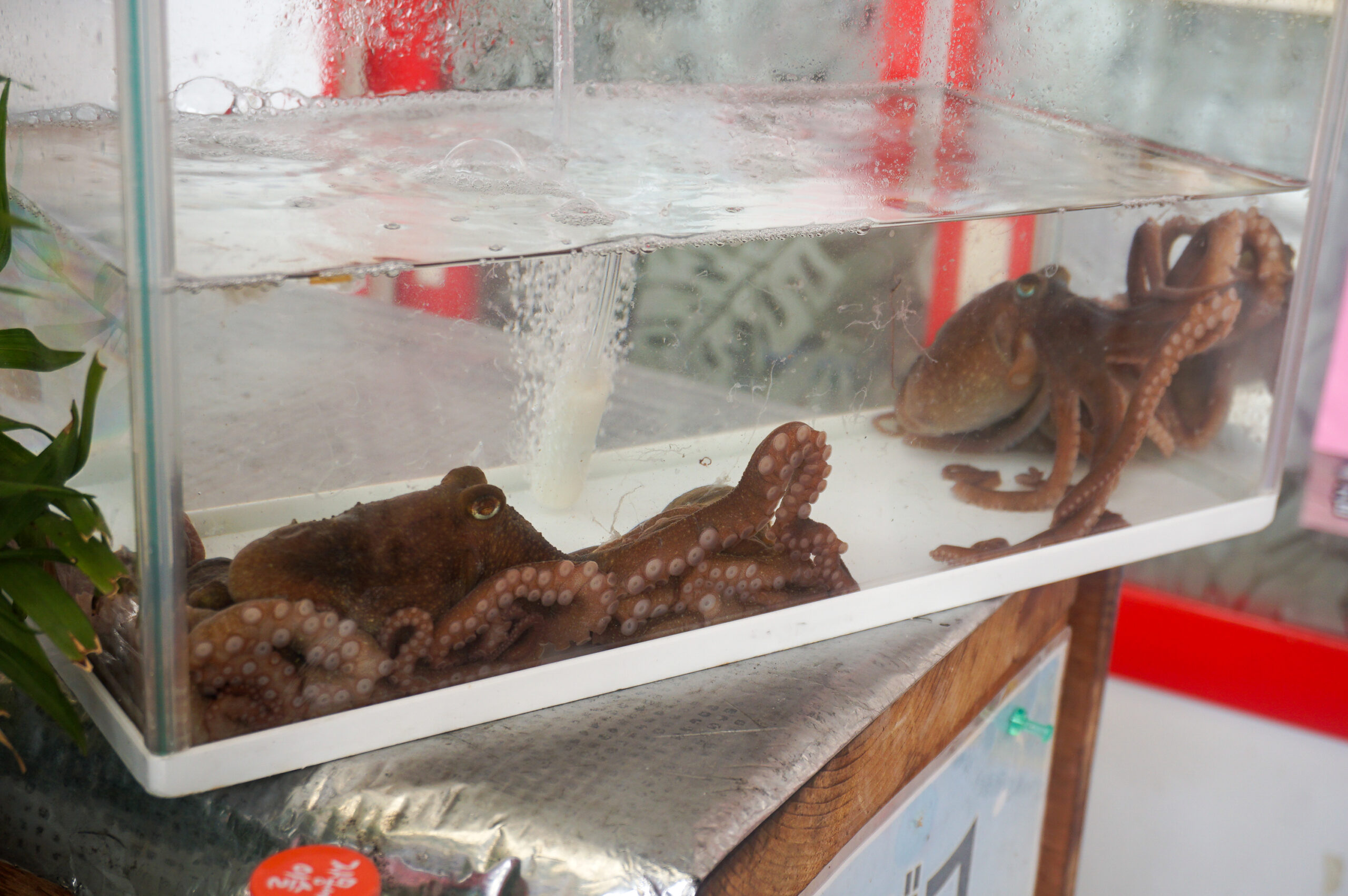
It’s that bold, punchy flavor that only a mom raised in Busan can create—that crunchy bite and the nutty aroma of sesame oil. Even the lingering heat in your mouth becomes addictive.
“Mom’s Side Dishes” Bring the Taste of Home
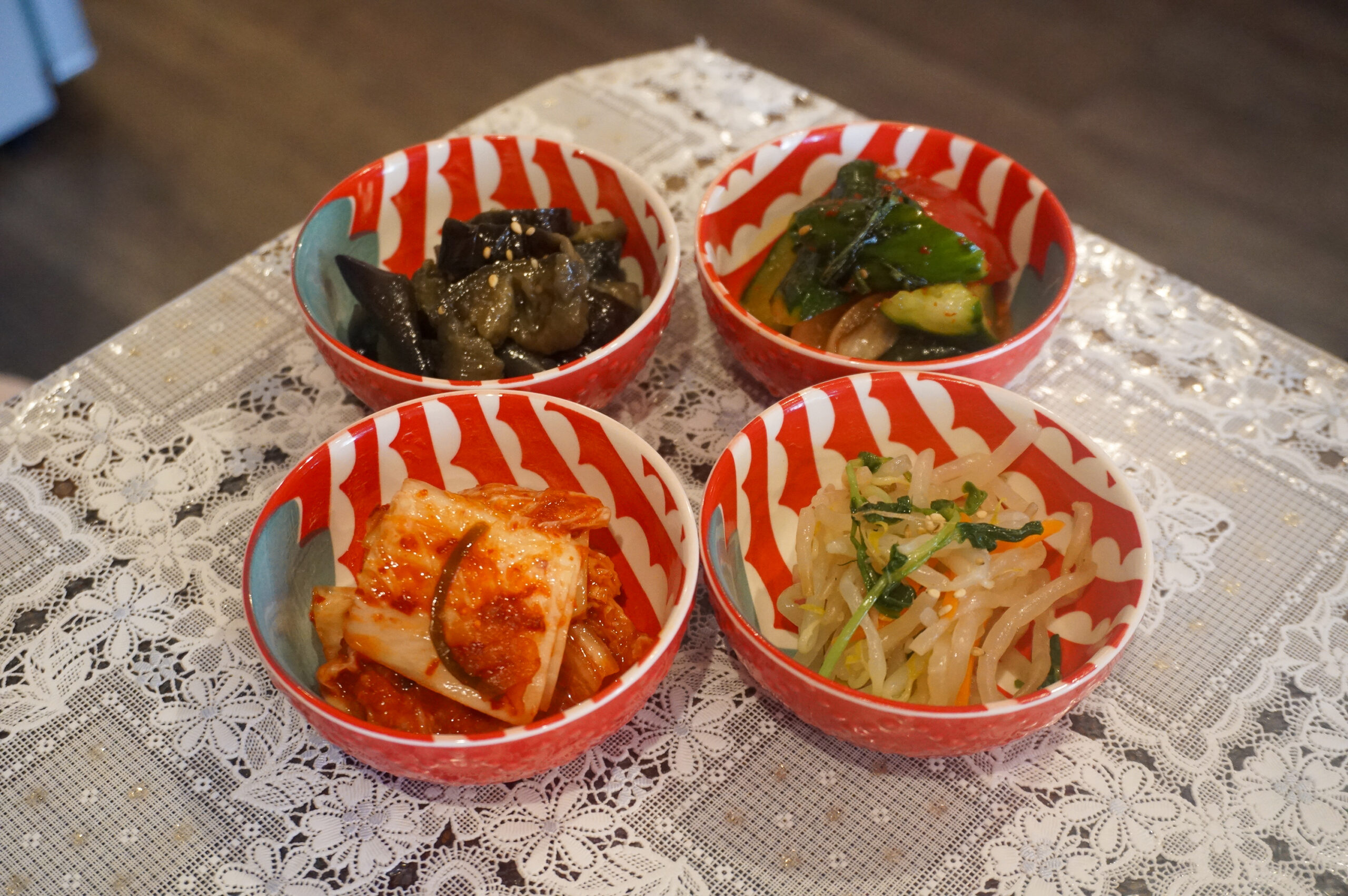
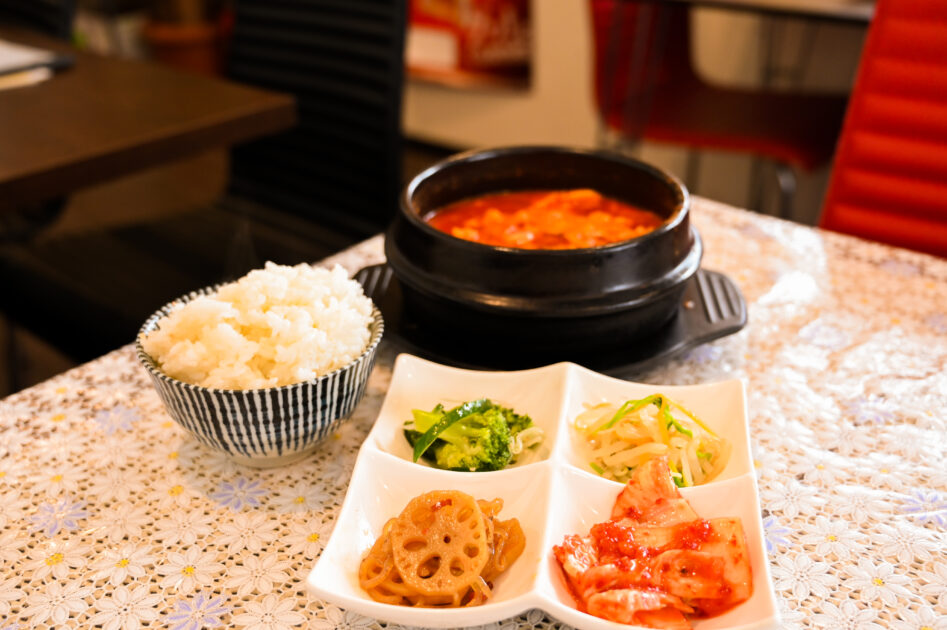
Before the main dishes arrive, four varieties of “Mom’s Side Dishes” are brought to the table first: namul, jangja, and special kimchi.
Each is served in small portions, but with every bite, you can truly taste the care that went into them. The most popular of these is the kimchi made with seafood extract.The moment you put it in your mouth, the umami and spiciness gently spread throughout your palate.
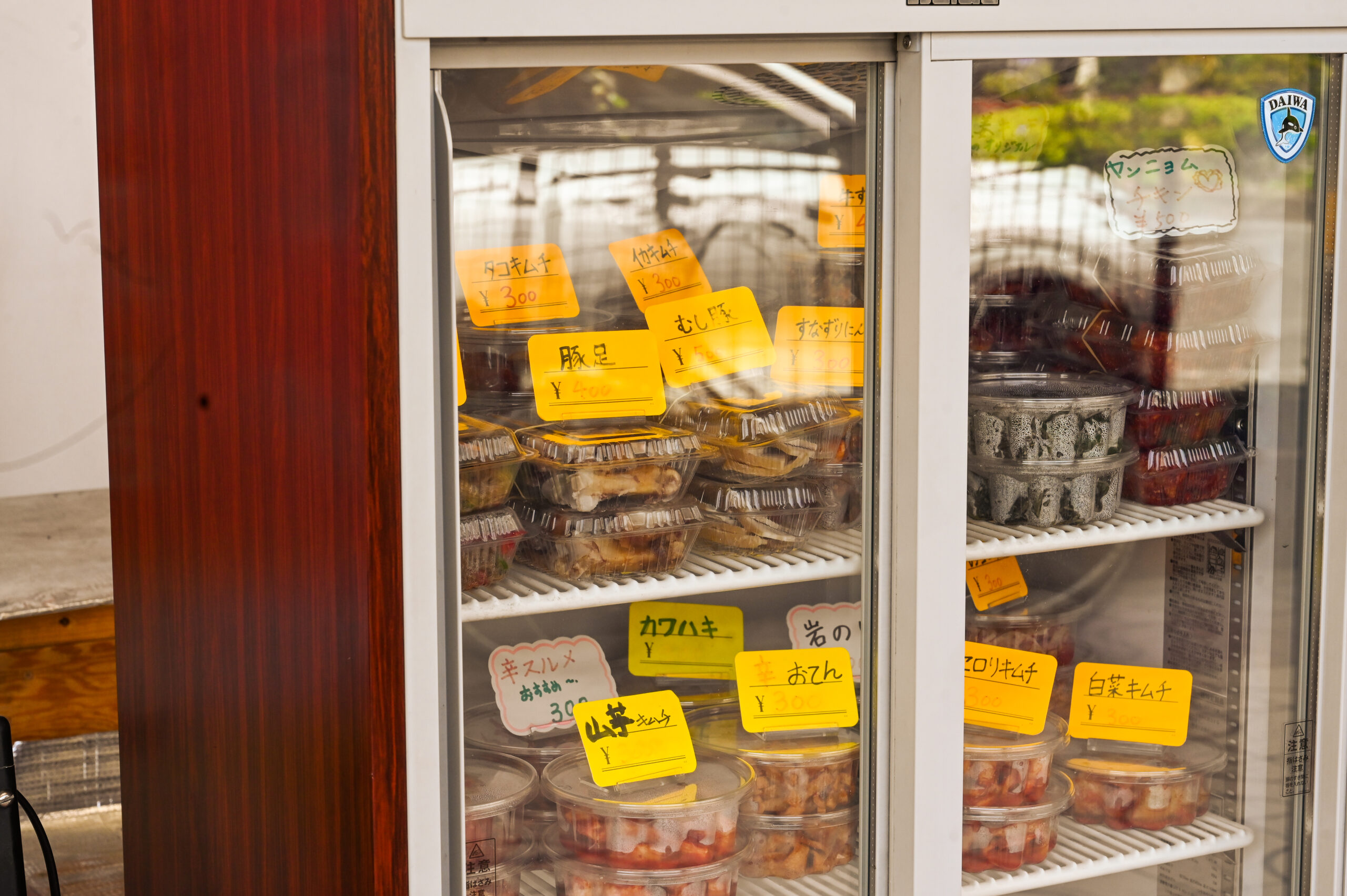
So many regulars find it so delicious that they come back just to buy the kimchi to take home.
“It takes a lot of work, but this is our family’s signature flavor,” Mom says with a laugh. That smile might just be the secret behind this restaurant’s flavors.
Discovering Japanese seasonings has added another layer of depth
“I tell everyone who comes in this: Japanese soy sauce is really delicious,” says Mama, her eyes sparkling with delight.
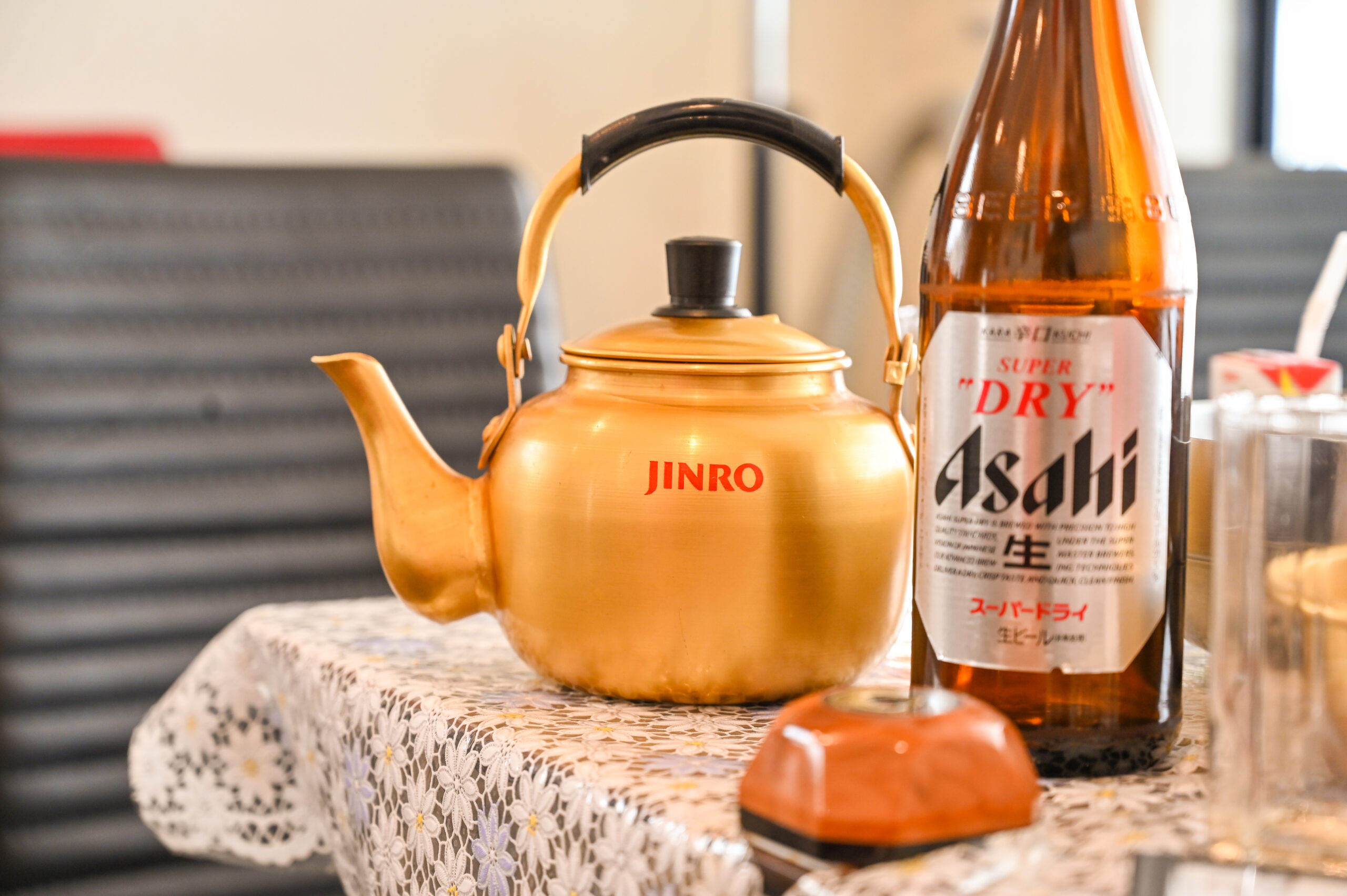
By gradually layering Japanese umami onto the Korean flavors she’s cultivated over the years, “Chingu’s” cuisine has developed a depth found nowhere else. It’s mellow, rich, yet somehow gentle. That flavor might be a testament to how closely the restaurant has embraced its local roots.
A second dining table where you’ll want to say, “I’m home”

“Boss, it’s packed again today, isn’t it? (laughs)” Her voice—slightly broken and tinged with a Kansai accent—is pleasant to the ear and, strangely enough, puts me at ease.
It’s not just about serving food. Mama makes a point of walking over to each table to speak with every single customer.
“Hey, young lady—you’ve got to eat plenty today!” Her words make me smile involuntarily.
She’s completely at ease with everyone and has a knack for striking up conversations. She’s like a chatty relative. That’s the kind of atmosphere that flows through this restaurant.
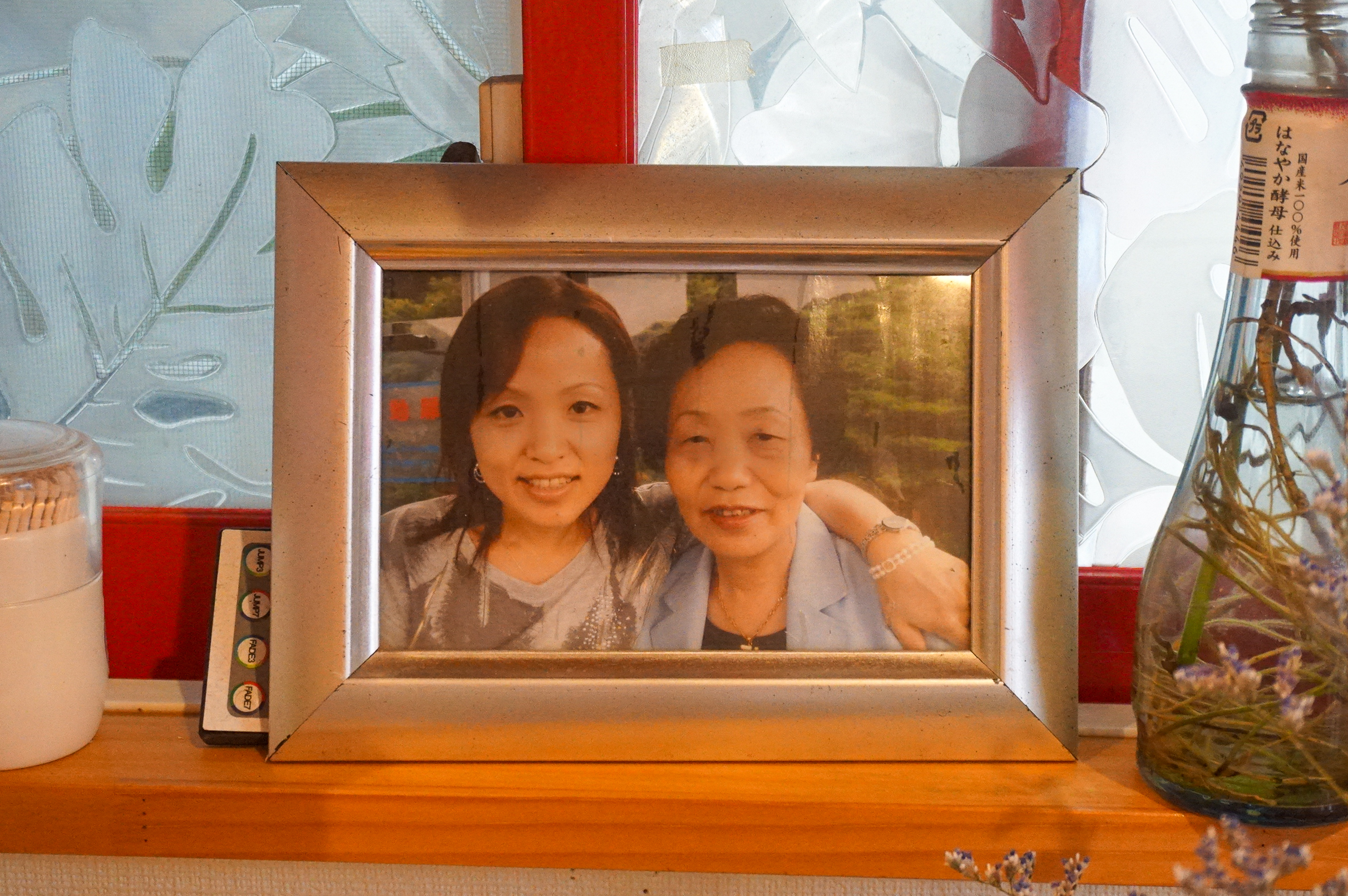
In the kitchen, staff sit around chatting, and if you glance over, you’ll see photos of Mama and her own mother hanging on the wall. These little touches of “thoughtfulness” and “warmth” scattered throughout the place are what make this restaurant so welcoming.
“Chingu” means “friend.” The name of this restaurant embodies the hope that it will be a place where Japanese and Korean people alike can become friends on equal footing.
“Chingu”—A Crossroads in the Neighborhood

Fuse, Higashi-Osaka. In this town bordering Osaka’s Ikuno Ward, where Korean-Japanese culture thrives, “Chingu” has taken root as a diner open to everyone.
At the dining tables, “Maido” and “Annyeong” are exchanged naturally. The words and laughter shared over meals gently seep into the neighborhood. It’s neither a tourist spot nor anything special—yet for someone, this is their “everyday life.”
This is a Korean restaurant, a cultural crossroads, and a “place that embodies the spirit of Fuse,” brimming with human warmth. Today, once again, the red neon lights are illuminating someone’s way home.
![Why There’s a Pizza Place in This Town. [That’s PIZZA Fuse Branch | Pizza]](https://www.sekaihotel.jp/wp-content/uploads/2025/05/DSC03395-768x511.jpg)
![Gentle white rice on a night in the downtown neighborhood [Onigiri Specialty Shop | Shiki-Wami]](https://www.sekaihotel.jp/wp-content/uploads/2025/05/IMG_6536-768x512.jpg)
![Toward the gateway to dreams, watched over by kokeshi dolls. [Kikaya: Daydream]](https://www.sekaihotel.jp/wp-content/uploads/2025/06/DSC04960-768x512.jpg)
![Mysterious, a little scary, and somehow endearing. [Biri Biri Monster | Yokai Specialty Store]](https://www.sekaihotel.jp/wp-content/uploads/2025/06/DSC03988-scaled-e1749553316715-768x515.jpeg)
![What’s wrong with making udon the star of the show? [Taira Udon | Udon Sukiyaki]](https://www.sekaihotel.jp/wp-content/uploads/2025/06/DSC06237-768x511.jpg)
![A night when the sound of sizzling meat soothes the soul. [Niku-shō Jin | Sukiyaki]](https://www.sekaihotel.jp/wp-content/uploads/2025/06/DSC03021-768x513.jpg)
![Its status as the No. 2 sauna in Japan was proven by “Oropó and takoyaki.” [Yu-Topia | Health Land]](https://www.sekaihotel.jp/wp-content/uploads/2025/06/3B586DE7-4B46-4FC2-BD36-446976F3F18D-768x512.jpeg)
![Beyond the “senbero,” laughter echoes. [Tachinomi Hachiban | Izakaya]](https://www.sekaihotel.jp/wp-content/uploads/2025/06/DSC05735-768x511.jpg)
![Beyond the white walls, a little piece of France was in full bloom [Jardin des Lums | French Cuisine]](https://www.sekaihotel.jp/wp-content/uploads/2025/06/DSC05910-2-768x511.jpg)
![A Day That Starts with a Mixed Juice You “Eat” Rather Than “Drink” [Café More Main Store | Coffee Shop]](https://www.sekaihotel.jp/wp-content/uploads/2025/06/DSC06574-768x511.jpg)
![Morning service is available until 3:00 p.m., perfect for those who aren’t morning people. [Amerika-tei | Coffee Shop]](https://www.sekaihotel.jp/wp-content/uploads/2025/06/DSC06543-768x511.jpg)
- エリアAREA
- All
- Deep Osaka
- カテゴリーCATEGORY
- All
- Souvenirs
- Personal experience
- Bath
- Sightseeing Spot
- Food
- タグTAG
- After 22:00
- Asian and International
- Bar
- Bread & Sweets
- Café
- Coffee Shop
- Flour-based foods
- Izakaya
- Japanese cuisine
- meal
- Meat Dishes
- Open for lunch
- Popular restaurant known by those in the know (Fuse)
- Recommended for families (Fuse)
- set meal
- Showa Retro (Fuse)
- Souvenirs
- Standing Bar
- Sushi & Seafood
- Udon and Soba
- Western-style cuisine
- スイーツ(布施)
- 写真に残したい(布施)
- 創業50年以上(布施)
- 大阪のノリを感じられる(布施)
- 常連さんと肩を並べて過ごす(布施)
- 食べ歩き(布施)